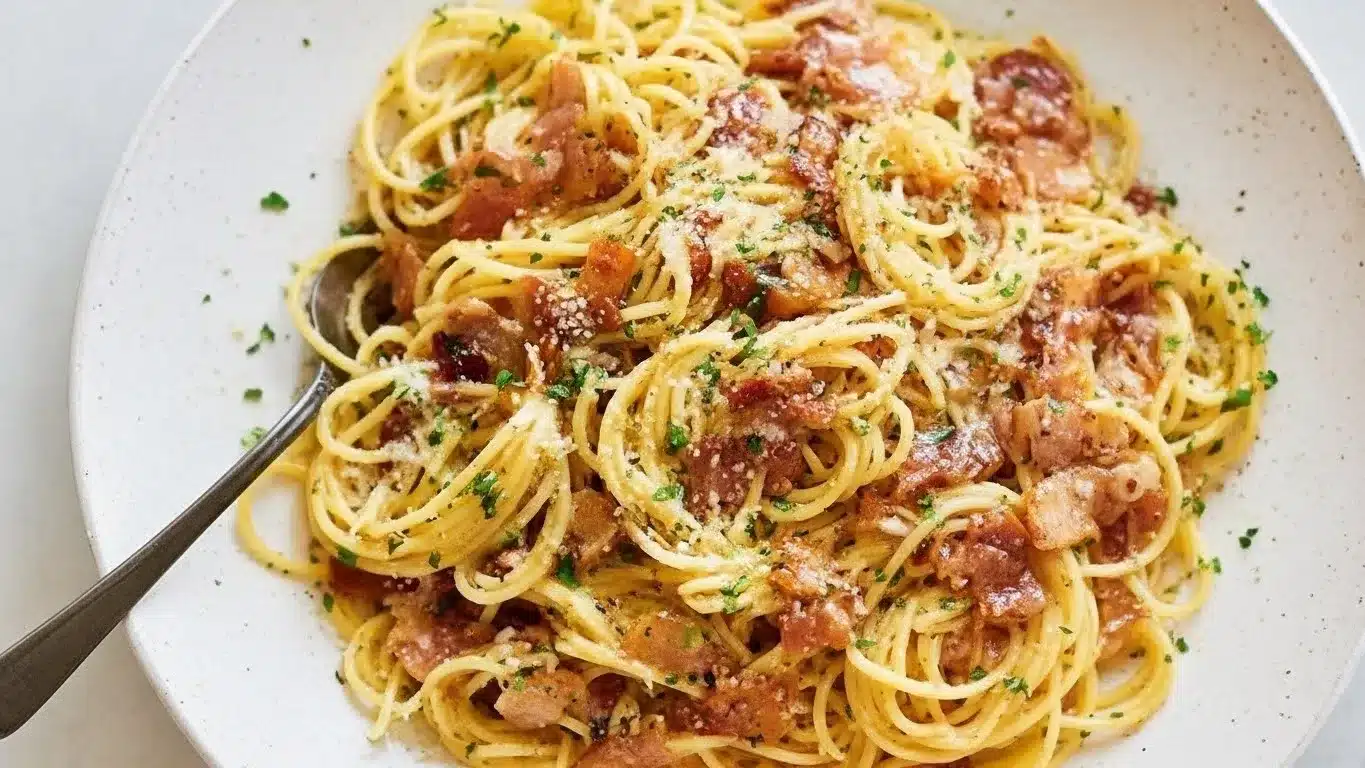
Master Authentic Carbonara in 30 Minutes: Silky Sauce Secrets
Imagine a dish so rich, so deeply satisfying, yet surprisingly simple and quick to prepare. We're talking about Carbonara, one of Rome's most iconic pasta dishes, a culinary masterpiece built on a handful of humble ingredients that, when brought together with precision, create an unparalleled symphony of flavor and texture. If you've ever dreamt of perfecting that creamy, dreamy, non-scrambled sauce, your quest for the ultimate
pasta carbonara recipe ends here. In just 30 minutes, you can transform simple pantry staples into a restaurant-quality meal, unlocking the secrets to its signature silky embrace.
Often misunderstood and sometimes overcomplicated, authentic Carbonara is a testament to Italian culinary philosophy: high-quality ingredients, minimal fuss, maximum flavor. This isn't a "make-it-everyday" kind of meal, but rather a well-deserved indulgence, a reward after a week of healthy eating. And when you decide to splurge, you might as well do it right.
The Essence of Authentic Carbonara: Simplicity is Key
At its heart, Carbonara celebrates the magical interaction of just a few core components. Forget lengthy ingredient lists; the beauty of this dish lies in its elegant simplicity, allowing each element to shine.
Unveiling the Core Ingredients
A truly authentic
pasta carbonara recipe relies on four pillars, plus a few crucial supporting acts:
*
Pasta: Traditionally spaghetti, but bucatini or rigatoni also work beautifully, offering nooks and crannies for the sauce to cling to.
*
Cured Pork: Guanciale (cured pork jowl) is the traditional choice, offering a deeper, richer flavor and superior fat rendering. However, high-quality pancetta is an excellent substitute, and even thick-cut bacon can be used in a pinch, though it will impart a smoky flavor that deviates from tradition.
*
Eggs: The star of the sauce! A mix of whole eggs and extra yolks provides the richness and emulsifying power for that silky texture. Using room temperature eggs is a subtle but important trick for optimal blending and tempering.
*
Hard Cheese: A blend of freshly grated Pecorino Romano (for its sharp, salty bite) and Parmigiano Reggiano (for its nutty depth) is ideal. Never, ever use pre-grated processed cheese – it will not melt correctly and will compromise the texture.
*
Freshly Ground Black Pepper: Generously applied, the "carbone" (charcoal) in Carbonara, adding a pungent kick and visual appeal.
*
Reserved Pasta Water: The unsung hero! This starchy, salty liquid is essential for emulsifying the sauce and achieving its characteristic creaminess.
*
A Drizzle of Olive Oil: Primarily used to help render the guanciale/pancetta.
The "No Cream" Debate
One of the most fiercely debated aspects of Carbonara is the use of cream. Let's be clear: a truly traditional
pasta carbonara recipe contains no cream. The luscious, velvety sauce is created entirely by the emulsification of egg, cheese, rendered pork fat, and hot pasta water. While some modern interpretations add cream for an extra-rich sauce, and it's certainly your prerogative to do so, know that the classic version achieves profound creaminess without it. Personally, I find the authentic preparation to be more than rich enough, allowing the interplay of the primary ingredients to truly sing.
Your 30-Minute Journey to Silky Perfection
The key to mastering Carbonara in record time isn't speed-cooking, but rather meticulous preparation and understanding the delicate dance between heat and eggs.
Preparation is Paramount: The Mise en Place Advantage
Because this dish comes together so quickly, every second counts. Before your pasta even hits the water, ensure all your ingredients are prepped and ready:
1. **Chop the Pork:** Dice your guanciale or pancetta into small, even pieces.
2. **Grate the Cheese:** Freshly grate your Pecorino Romano and Parmigiano Reggiano.
3. **Whisk the Eggs:** In a large bowl that will eventually hold your pasta, whisk together your eggs and egg yolks with a generous amount of freshly ground black pepper and about half of your grated cheese. Set aside.
4. **Boil Water:** Get a large pot of salted water boiling for your pasta.
Crafting the Carbonara Sauce: The Emulsification Magic
The "silky sauce" is born from a delicate balance. The hot pasta gently cooks the egg mixture, turning it into a luscious, clinging sauce rather than scrambled eggs. This is where precision pays off.
To avoid a lumpy, curdled mess, two critical steps are involved:
1.
Temper the Eggs: This is a game-changer. Just before combining, whisk a few tablespoons of the hot, starchy pasta water into your egg and cheese mixture. This gradually raises the temperature of the eggs, making them less likely to shock and scramble when they hit the even hotter pasta. For more in-depth advice on this crucial step, you can read our article:
Indulgent Carbonara: Unlock the Silky Sauce with Expert Egg Tempering.
2.
Toss Off the Heat: This is arguably the most vital technique. The sauce is formed *off* the direct heat of the stove. The residual heat from the pasta and the cooking vessel is sufficient to gently cook the eggs without scrambling them.
Step-by-Step Guide to Your Best Pasta Carbonara Recipe
Follow these steps for a perfect
pasta carbonara recipe every time:
1.
Cook the Pasta: Cook your spaghetti according to package directions until al dente. Before draining, reserve at least 1-2 cups of the starchy pasta water.
2.
Render the Pork: While the pasta cooks, heat a large skillet (one that can accommodate all the pasta later) over medium heat. Add a tiny splash of olive oil (if using guanciale, you might not need it as it renders plenty of fat). Add the diced guanciale or pancetta and cook slowly, stirring occasionally, until deeply golden and crispy. Remove the crispy bits with a slotted spoon and set aside. Leave the rendered fat in the skillet.
3.
Prepare the Egg Mixture: As detailed in "Mise en Place," whisk eggs, cheese, and pepper in a large bowl.
4.
Combine & Emulsify:
* Drain the pasta (or ideally, transfer it directly from the pot to the skillet with the rendered pork fat using tongs, allowing some pasta water to come along).
* Toss the hot pasta directly in the skillet with the pork fat for about 30 seconds, ensuring every strand is coated. This adds flavor and helps keep the pasta from sticking.
* Immediately remove the skillet from the heat.
* Pour the tempered egg and cheese mixture over the pasta.
* Working quickly, toss vigorously with tongs, constantly moving the pasta.
* Gradually add reserved pasta water, 1-2 tablespoons at a time, continuing to toss until a creamy, glossy sauce forms and coats all the pasta. The amount of water needed will vary.
5.
Serve Immediately: Transfer the Carbonara to warm bowls. Garnish with the reserved crispy pork bits, extra grated cheese, and another generous grind of black pepper. Carbonara is a dish that waits for no one; serve it the moment it's ready.
Decoding Carbonara: Origins and Evolution
The story of Carbonara is as rich and layered as the dish itself, shrouded in a delightful mystery that only adds to its allure.
A Roman Classic with Mysterious Roots
Carbonara is one of Rome's celebrated "four pastas" (alongside Cacio e Pepe, Amatriciana, and Gricia), yet its origins are surprisingly recent, likely post-WWII. Several theories abound:
* **The Charcoal Workers' Dish:** One popular theory suggests it was created by "carbonari" (Italian charcoal workers), perhaps using ingredients easily cooked over a fire on shovels. The name, with "carbone" meaning charcoal, certainly lends credence to this.
* **A "Marriage" of Cuisines:** Another compelling theory posits that Carbonara was born from the convergence of American soldiers' rations (bacon and eggs) with local Italian pasta traditions during World War II. This culinary fusion could explain its relatively modern appearance.
* **The Pepper's Role:** Some say the name simply refers to the generous flecks of black pepper, resembling coal dust, scattered throughout the dish.
Regardless of its true origin, Carbonara quickly became a beloved classic, distinguished by its unique technique of combining eggs, hard cheese, cured pork, and black pepper into its signature silky sauce.
The American Influence & Modern Interpretations
The idea that American ingredients might have influenced Carbonara is a fascinating reflection of the global culinary dialogue. The dish perfectly illustrates the back-and-forth between Italy and the United States when it comes to food, evolving while largely maintaining its core identity. While modern chefs and home cooks might experiment with additions like cream or different types of cured meats, the enduring appeal of the original
pasta carbonara recipe lies in its timeless combination of texture and flavor, a true testament to its brilliant design.
Expert Tips for Your Flawless Pasta Carbonara Recipe
Elevate your Carbonara from good to unforgettable with these insider tips:
*
Choose Your Cured Pork Wisely: For the most authentic flavor, seek out
guanciale. Its fat renders beautifully and has a unique, complex taste. If unavailable, use high-quality pancetta. If using bacon, opt for uncured, thick-cut varieties and be prepared for a smokier profile.
*
The Cheese Factor: Don't skimp on quality! Real, aged Pecorino Romano and Parmigiano Reggiano are non-negotiable. Their intense flavors and melting properties are crucial for the sauce. Always grate them fresh.
*
The Egg Temperature Trick: As discussed, using room temperature eggs and tempering them with hot pasta water before adding them to the pasta is your secret weapon against scrambling. This gradual heating ensures a smooth, emulsified sauce. For more detailed guidance, see our article:
Avoid Scrambled Eggs: The True Story & Tips for Perfect Carbonara.
*
The Pasta Water Goldmine: This starchy liquid is your best friend for achieving the perfect sauce consistency. It helps emulsify the fat and eggs, creating a glossy, rich coating. Don't be afraid to add it gradually until you reach your desired creaminess.
*
Don't Overcook the Sauce: The goal is to gently cook the eggs with residual heat, not to scramble them. Tossing vigorously and quickly off the heat is paramount. If the sauce feels too thick, a splash more hot pasta water will loosen it.
Mastering an authentic
pasta carbonara recipe is a culinary triumph that's surprisingly within reach for any home cook. While it might take a little practice to get that perfect silky texture, the journey is as rewarding as the destination. With high-quality ingredients, careful preparation, and an understanding of the delicate balance of heat, you can create a truly indulgent, Roman classic in your own kitchen in just 30 minutes. So, go ahead, treat yourself – your taste buds will thank you.