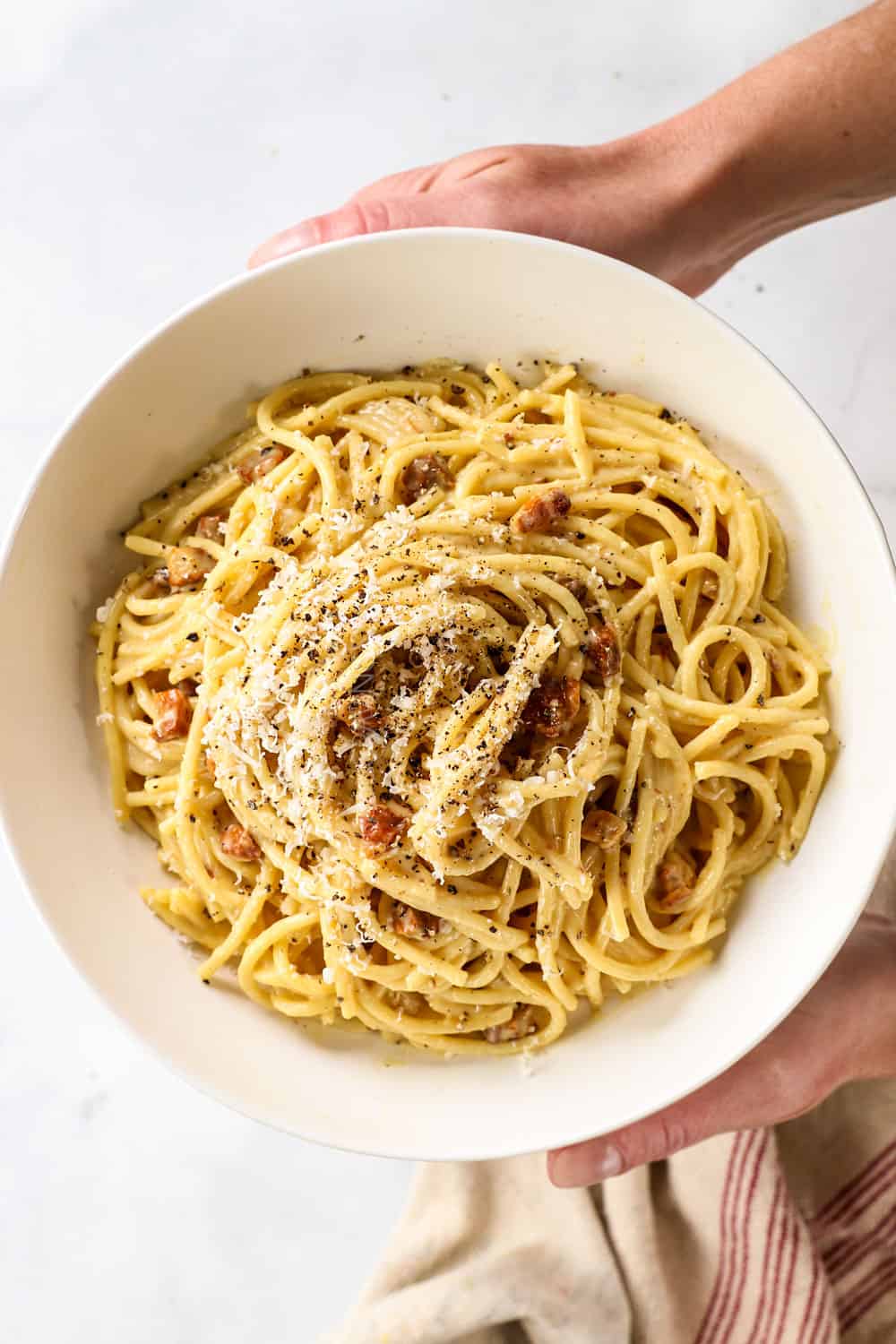
Indulgent Carbonara: Unlock the Silky Sauce with Expert Egg Tempering
The very mention of "Carbonara" conjures images of luxurious, creamy pasta, each strand coated in a glossy, irresistible sauce. It’s a dish that has captivated palates worldwide, cementing its status as one of Italy's most beloved culinary exports. Yet, for many home cooks, mastering the authentic pasta carbonara recipe can feel like chasing a culinary unicorn. The quest for that perfect, emulsified sauce, rich and unctuous without a single curdled egg, often ends in frustration. But what if we told you that the secret lies not in a magic ingredient, but in a simple yet crucial technique: expert egg tempering?
This article will guide you through the intricacies of crafting a truly indulgent pasta carbonara, demystifying the process and equipping you with the knowledge to achieve a silky-smooth sauce every time. Prepare to elevate your cooking and unlock the true potential of this Roman masterpiece.
The Allure of Authentic Pasta Carbonara: A Roman Classic
Pasta Carbonara isn't just a dish; it's a testament to the beauty of culinary alchemy, transforming a handful of humble ingredients into something extraordinary. Hailing from Rome, it stands proudly alongside Cacio e Pepe, Amatriciana, and Gricia as one of the capital's iconic pasta dishes. While its precise origins are shrouded in delightful mystery – theories range from Italian charcoal workers (carbonari) preparing it over an open fire to its name reflecting the "coal flecks" of black pepper, or even a serendipitous marriage of American WWII soldiers' bacon and eggs with local Italian pasta – its essence remains undeniable.
What truly distinguishes a genuine pasta carbonara recipe is its minimalist yet precise technique: combining cured pork (traditionally guanciale, but often pancetta or bacon), eggs, hard cheese, and freshly cracked black pepper into a decadent, velvety sauce. This isn't a dish you'll find yourself making every single day; it’s a "splurge" meal, a reward after weeks of healthy eating, and when you do indulge, you absolutely want to do it right. The key is in understanding that the richness comes not from added cream – a non-traditional addition often debated by purists – but from the clever emulsification of egg, cheese, and rendered pork fat.
Unveiling the Simplicity: Core Ingredients of a Stellar Carbonara
The beauty of a classic pasta carbonara recipe lies in its elegant simplicity. With just a few high-quality ingredients, you can create a depth of flavor that belies its straightforward nature. Forget long lists and exotic spices; here’s what you truly need:
*
Pasta: While spaghetti is the most iconic choice, other long pastas like bucatini (which holds sauce beautifully) or even short, tubular pastas like rigatoni can work wonderfully. The key is to choose a pasta that can adequately grip and deliver that luscious sauce.
*
Cured Pork: Traditionally, *guanciale* (cured pork jowl) is the authentic choice, offering an unparalleled depth of flavor and a distinct fat that renders beautifully. *Pancetta* (cured pork belly) is an excellent, more readily available alternative. Good quality thick-cut bacon can also be used in a pinch, though it will impart a smokier flavor.
*
Eggs: This is where the magic happens. Most authentic recipes call for a combination of whole eggs and extra yolks for maximum richness and a deeper golden hue. Using fresh, ideally organic, room-temperature eggs is crucial for proper emulsification. If you have concerns about raw eggs, pasteurized eggs are a good option.
*
Cheese: This is non-negotiable. Step away from the pre-grated processed cheese! You need genuine, high-quality hard Italian cheese. *Pecorino Romano*, with its sharp, salty, sheep's milk tang, is the traditional choice, complementing the pork beautifully. *Parmigiano Reggiano* offers a slightly milder, nuttier profile and can be used in combination or as a substitute if Pecorino is too strong for your taste.
*
Black Pepper: Freshly cracked black pepper is paramount. Its aromatic bite is integral to the carbonara experience, often resembling the "carbone" (charcoal) from which the dish gets its name.
*
Olive Oil: Just a touch, to get the pork started if it's very lean, though often the pork fat alone is sufficient.
*
Salt: Primarily for salting the pasta water, as the cured pork and cheese provide significant salinity.
The quality of each component directly impacts the final dish, making ingredient selection an essential step in your pasta carbonara recipe journey.
The Heart of the Matter: Mastering the Silky Carbonara Sauce (Egg Tempering Explained)
Achieving that covetable, impossibly creamy carbonara sauce without a drop of actual cream is the pinnacle of this dish. The biggest hurdle many home cooks face is preventing the eggs from scrambling or curdling when they hit the hot pasta. This common pitfall results in lumps and a broken sauce, a far cry from the velvety ideal. The solution? Expert egg tempering.
The science is simple: cold eggs added directly to very hot pasta will cook too quickly and unevenly, causing them to seize and curdle into distinct bits of scrambled egg. Tempering gently warms the egg mixture, bringing it closer to the temperature of the pasta, allowing for a smooth, gradual emulsification rather than a harsh, sudden shock. This creates a cohesive, rich coating rather than a fragmented mess.
Here's how to master the egg tempering technique for your next pasta carbonara recipe:
1.
Prepare Your Egg Mixture: In a wide, heatproof bowl, vigorously whisk together your whole eggs, extra yolks, and generously grated Pecorino Romano (or Parmigiano). Add a substantial amount of freshly cracked black pepper. Whisk until the mixture is uniform and slightly frothy. Ensure your eggs are at room temperature – this makes them less prone to scrambling when heated.
2.
Reserve Pasta Water: As your pasta cooks, before draining, scoop out at least a cup of the starchy, hot pasta water. This liquid gold is crucial for both tempering the eggs and adjusting the consistency of your sauce.
3.
The Tempering Process: While your pasta is still draining (or even immediately after you've pulled it from the pot), quickly add a few tablespoons of the reserved hot pasta water into your egg and cheese mixture, whisking continuously and vigorously. You'll see the egg mixture slightly thin out and warm up. Continue to whisk for about 30 seconds. This step gently brings the temperature of your eggs up, making them less reactive to the piping hot pasta. The goal here is to warm them, not to cook them.
4.
Combining and Tossing: This is the most critical juncture. Once your cured pork is crispy and its fat rendered (and the heat source for the pan is OFF), and your pasta is perfectly al dente, drain the pasta, but do *not* rinse it. Immediately transfer the hot pasta into the bowl with your tempered egg mixture and rendered pork fat.
5.
Work Quickly and Continuously: Using tongs or a large spoon, toss the pasta relentlessly for at least 1-2 minutes. The residual heat from the pasta and the bowl, combined with the hot pork fat and starchy pasta water, will gently cook the tempered eggs, creating a beautiful, glossy, and thick sauce that clings to every strand. The constant movement prevents the eggs from setting too fast in any one spot. If the sauce seems too thick, add more reserved pasta water a tablespoon at a time, continuing to toss until you reach your desired consistency.
Remember, practice makes perfect. Don't despair if your first attempt isn't flawless. The subtle balance of heat and speed is a skill that develops with experience. For a deeper dive into common pitfalls and how to steer clear of them, read our guide on
Avoid Scrambled Eggs: The True Story & Tips for Perfect Carbonara.
Step-by-Step Guide to Your Perfect Pasta Carbonara Recipe
With the egg tempering secret unveiled, let's walk through the entire process for an unforgettable pasta carbonara experience:
1.
Mise en Place (Preparation is Key): Carbonara comes together incredibly fast, so having all your ingredients prepped and ready is paramount.
* Finely dice your guanciale or pancetta.
* Grate your Pecorino Romano and/or Parmigiano.
* Whisk your eggs, extra yolks, grated cheese, and plenty of black pepper in a large, heatproof bowl. Have your tongs or a large spoon ready.
2.
Cook the Pork: In a large skillet or frying pan (wide enough to accommodate the pasta later), cook the diced guanciale or pancetta over medium-low heat. Render out the fat slowly until the pork is crispy and golden brown. This ensures maximum flavor. Remove the crispy pork bits with a slotted spoon and set aside. Leave the glorious rendered fat in the pan.
3.
Cook the Pasta: Bring a large pot of generously salted water to a rolling boil. Add your spaghetti (or chosen pasta) and cook until just al dente – meaning it still has a slight bite. This is crucial because it will continue to cook slightly when tossed with the hot sauce.
4.
Temper the Eggs & Combine: This is the moment of truth.
* Before draining the pasta, scoop out at least 1 cup of starchy pasta water and keep it handy.
* Immediately after draining the pasta, add a few tablespoons of the hot pasta water to your egg and cheese mixture, whisking vigorously to temper.
* Turn off the heat under the skillet with the rendered pork fat. Quickly transfer the hot, drained pasta into this skillet.
* Pour the tempered egg mixture over the pasta in the skillet.
*
Toss, Toss, Toss! With tongs or a large spoon, vigorously and continuously toss the pasta. The residual heat from the pasta and the pan, combined with the pork fat and the tempered eggs, will create a luscious, emulsified sauce. The tossing action is vital to prevent the eggs from scrambling.
* As you toss, add the crispy pork bits back into the pasta.
* If the sauce seems too thick, add more reserved pasta water a tablespoon at a time, continuing to toss until you achieve that perfect silky consistency that coats every strand.
5.
Serve Immediately: Carbonara waits for no one! Transfer immediately to warm bowls.
For more detailed timing and secrets to a seamless preparation, be sure to check out our article:
Master Authentic Carbonara in 30 Minutes: Silky Sauce Secrets.
Expert Tips for a Carbonara to Remember
To ensure your pasta carbonara recipe is nothing short of spectacular, keep these final tips in mind:
*
Wider is Better: Using a wide, shallow skillet or a large, pre-warmed mixing bowl for the final tossing gives you ample surface area to work quickly and efficiently, crucial for preventing scrambled eggs.
*
Never Rinse Pasta: Rinsing pasta removes the starchy coating that helps the sauce adhere.
*
Room Temperature Eggs: Seriously, this makes a huge difference in achieving a smooth emulsification.
*
Freshly Ground Pepper: A coarse grind of fresh black pepper adds both flavor and texture that pre-ground pepper simply cannot match.
*
Serve Promptly: Carbonara is a dish best enjoyed moments after it's made. The sauce will continue to thicken as it cools.
*
Resist the Cream: While some variations include cream for an extra-creamy texture, the beauty of authentic carbonara lies in its ability to achieve that creaminess naturally through technique. Try it without first; you might be surprised by its inherent richness!
Conclusion
Crafting the perfect, indulgent pasta carbonara is a culinary journey that rewards precision, quality ingredients, and a little practice. By understanding the critical role of egg tempering – gently warming your egg mixture with starchy pasta water before combining with hot pasta – you unlock the secret to that elusive, silky-smooth sauce that defines this Roman classic. This isn't just a pasta carbonara recipe; it's a lesson in Italian culinary artistry, proving that true decadence often lies in simplicity executed with finesse. So, gather your ingredients, take a deep breath, and embark on this delicious adventure. Your taste buds will thank you!