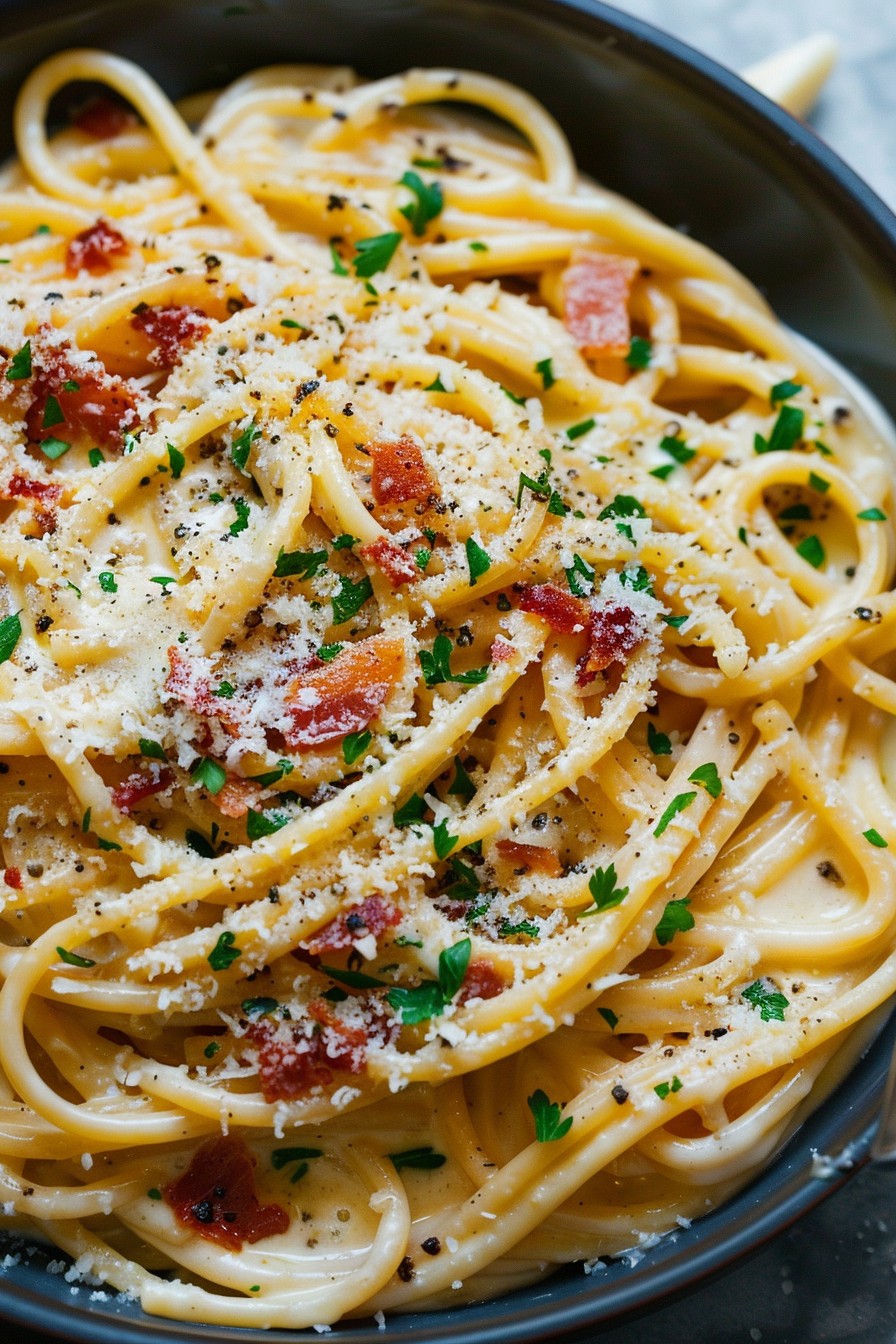
The Allure of Authentic Carbonara: Beyond the Simple Supper
There are few dishes that ignite passion and debate quite like
pasta carbonara. This Roman masterpiece, with its seemingly simple list of ingredients, holds a deceptive complexity that can challenge even seasoned home cooks. Many embark on their carbonara journey with dreams of a rich, velvety sauce only to be met with a frustrating plate of curdled, scrambled eggs clinging awkwardly to their pasta. But fear not! This article isn't just a guide; it's an intervention to rescue you from the dreaded scrambled egg carbonara and usher you into the world of truly perfect, silky indulgence.
Carbonara is more than just a meal; it's an experience, a celebration of humble ingredients elevated by precise technique. It’s the kind of dish you crave after a long week, a decadent reward that, when done right, is utterly unforgettable. The beauty lies in its elegant simplicity, where the magic truly happens in the delicate dance between hot pasta and raw eggs, transforming them into a luscious, glossy emulsion. Forget what you think you know about adding cream – the secret to an authentic
pasta carbonara recipe lies in understanding its true story and mastering a few crucial techniques.
Unpacking the "True Story" of Carbonara: A Culinary Mystery
Before we dive into the nitty-gritty of whisking and tossing, let's appreciate the rich, if somewhat ambiguous, history of carbonara. Unlike many ancient Italian recipes, carbonara is a relatively young dish, making its debut well after the Mayflower landed. Its exact origins are shrouded in delightful mystery, sparking numerous theories that highlight Italy's vibrant culinary evolution and even its surprising connections to America.
One popular theory posits that carbonara was the invention of Italian "carbonari" (charcoal workers), who prepared the dish simply over an open fire, using ingredients that could be easily carried and cooked. The dish's name itself, where "carbone" means charcoal in Italian, might also refer to the generous flecks of freshly ground black pepper that resemble charcoal dust scattered throughout the finished dish.
Perhaps the most compelling and widely accepted theory, however, connects carbonara to the post-World War II era. American soldiers stationed in Italy, with their rations of bacon and eggs, are thought to have influenced local chefs, who combined these staples with traditional Roman pasta dishes. This delicious cultural exchange is a testament to food's power to bridge divides and create entirely new traditions. Regardless of its precise birth story, what truly distinguishes carbonara is its unique technique: the masterful blend of cured pork, eggs, hard cheese, and black pepper, culminating in a sauce that is both robust and incredibly refined. This isn't just *any* pasta dish; it's a testament to ingenuity and the enduring appeal of simple, high-quality ingredients.
The Essential Ingredients: Quality Over Quantity for Your Pasta Carbonara Recipe
When it comes to
authentic carbonara, less truly is more. The dish relies on a few key components, so choosing the best quality for each is paramount.
- Pasta: While spaghetti is the classic choice, other long, robust pastas like bucatini or rigatoni can also stand up to the rich sauce. The key is a quality durum wheat pasta that holds its shape and provides a good textural canvas.
- Cured Pork: This is where authenticity really shines. For a truly Roman experience, guanciale (cured pork jowl) is non-negotiable. Its unique fat renders beautifully, imbuing the dish with an unparalleled depth of flavor. If guanciale is inaccessible, high-quality pancetta is an acceptable substitute. Avoid smoked bacon if possible, as its strong smoky flavor can overpower the delicate balance of the dish.
- Eggs: The heart of your sauce. A traditional carbonara often uses a combination of whole eggs and extra yolks for ultimate richness and creaminess. Aim for fresh, large eggs.
- Cheese: Another non-negotiable – high-quality, aged hard cheese. Pecorino Romano, with its sharp, salty, sheep's milk tang, is the traditional choice and provides that quintessential Roman kick. Some recipes might incorporate a touch of Parmigiano Reggiano for a slightly milder, nuttier note, but Pecorino Romano should be the star. Resist the urge to use pre-grated, processed cheeses; they simply won't melt correctly or provide the necessary flavor.
- Black Pepper: Freshly ground black pepper is crucial. Its aromatic spice provides a vital counterpoint to the richness of the pork and cheese, reminiscent of the "charcoal" that may have inspired the dish's name.
- Olive Oil: Just a touch to start rendering the guanciale, though the pork fat will quickly take over.
Noticeably absent from this list is cream. While some versions add it for extra richness, traditional
spaghetti carbonara achieves its luscious texture through a perfect emulsion of egg, cheese, and rendered pork fat, thinned by starchy pasta water. Trust us, it's rich enough without it!
The Art of the Silky Sauce: Mastering the Egg Emulsion and Avoiding Scrambled Eggs
This is the moment of truth for any
pasta carbonara recipe. The line between a flawlessly creamy sauce and a disappointing plate of scrambled eggs is razor-thin, but entirely surmountable with the right technique. The goal is to gently cook the eggs using the residual heat of the pasta, creating a velvety emulsion rather than coagulated chunks.
Preparation is Paramount: Mise en Place for Success
Carbonara comes together incredibly quickly, making timing critical. Before you even think about boiling water, ensure all your ingredients are prepped and ready:
- Dice your guanciale.
- Grate your Pecorino Romano.
- Whisk your eggs and yolks with a generous amount of freshly ground black pepper.
- Have your pasta cooking water ready to go.
The Tempering Trick: Your Shield Against Scrambled Eggs
This is arguably the most crucial step in achieving a silky
carbonara sauce. If cold eggs hit piping hot pasta, they'll seize up and scramble. To prevent this, we temper the eggs:
- Once your pasta is nearly done, reserve at least a cup of its starchy cooking water. This water is liquid gold – it's salty, starchy, and crucial for both tempering and emulsifying.
- With your whisked egg mixture ready, slowly whisk in a few tablespoons of the hot (but not boiling) pasta water. This gently raises the temperature of the eggs, bringing them closer to the temperature of the hot pasta without actually cooking them. This makes them far less likely to curdle when introduced to the main event. Ensure your eggs are at room temperature to begin with for an even smoother temper.
For a deeper dive into achieving that perfect emulsion and mastering the timing, explore our guide:
Indulgent Carbonara: Unlock the Silky Sauce with Expert Egg Tempering.
The Moment of Magic: Combining for Creaminess
- Render the Pork: In a large skillet (one that will later comfortably hold all your pasta), cook your diced guanciale over medium heat until crispy and most of its fat has rendered out. Remove the crispy guanciale bits to a plate, leaving the glorious fat in the pan.
- Cook the Pasta: Boil your spaghetti in generously salted water until al dente.
- Combine Off Heat: This is key! Drain the pasta (don't rinse!) and immediately transfer it to the skillet with the rendered guanciale fat. Crucially, remove the skillet from the heat source entirely.
- Whisk and Toss: Quickly add the tempered egg mixture to the hot pasta. Using tongs or a pasta fork, toss vigorously and continuously. The residual heat from the pasta and the pan will gently cook the eggs, while the rapid motion helps create the emulsion. As you toss, gradually add the grated Pecorino Romano and a little more pasta water, a tablespoon at a time, until you achieve a beautiful, glossy, and creamy sauce. It should coat the pasta without being soupy or lumpy.
If you're eager to truly master this classic and achieve that elusive silky sauce in record time, check out our companion article:
Master Authentic Carbonara in 30 Minutes: Silky Sauce Secrets.
Finally, stir in the crispy guanciale bits. Serve immediately, garnished with extra Pecorino Romano and a fresh grinding of black pepper.
Common Carbonara Pitfalls and How to Avoid Them
Even with the best intentions, things can sometimes go awry. Here’s a quick troubleshooting guide:
- Scrambled Eggs: This usually means the eggs hit the pasta (or pan) when it was too hot, or they weren't tempered. Ensure the pan is off the heat and eggs are tempered properly.
- Dry Carbonara: Not enough pasta water, or the sauce was left to sit for too long. The sauce thickens as it cools, so serve it immediately and don't be afraid to add a splash more hot pasta water if it seems too thick.
- Lumpy Sauce: Often due to insufficient stirring, especially when combining the eggs and pasta. Keep tossing!
- Lack of Flavor: Almost always attributable to using low-quality ingredients, or not enough Pecorino Romano or freshly ground black pepper.
Conclusion: Your Carbonara Journey Awaits
The journey to perfect
pasta carbonara is a rewarding one. It’s a dish that celebrates precision, quality ingredients, and the simple magic of a well-executed technique. While it might take a little practice to get that elusive silky sauce just right, the indulgent, deeply satisfying results are more than worth the effort. Forget the fear of scrambled eggs; arm yourself with these tips, embrace the tradition, and soon you'll be creating a creamy, peppery, utterly delicious carbonara that transports your taste buds straight to the heart of Rome. So, gather your ingredients, prepare your mise en place, and embark on your quest for the ultimate
pasta carbonara recipe. Enjoy!